

February is American Heart Month, a time to focus on cardiovascular health, but did you know your heart and your eyes are closely connected?
Your eyes rely on a healthy circulatory system to function properly. When your heart and blood vessels aren’t working at their best, your vision can be affected, sometimes in surprising ways.
The Eye-Heart Connection
Your eyes contain tiny, delicate blood vessels that supply oxygen and nutrients to critical structures like the retina and optic nerve. Because these vessels are so small, they can show signs of damage from heart-related conditions earlier than other parts of the body.
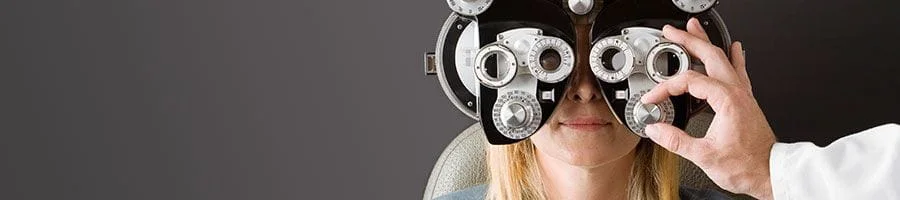
In fact, a comprehensive eye exam can sometimes reveal early warning signs of systemic health problems.
Heart Conditions That Can Impact Vision
High Blood Pressure (Hypertension)
Uncontrolled blood pressure can damage the blood vessels in the retina, a condition known as hypertensive retinopathy. Over time, this can lead to blurred vision, reduced vision, or even vision loss if not managed properly.
High Cholesterol
Cholesterol buildup can restrict blood flow, including to the eyes. In some cases, eye doctors can see signs of cholesterol deposits in blood vessels during an exam.
Heart Disease & Circulation Issues
Poor circulation can reduce the amount of oxygen reaching the optic nerve and retina. This may increase the risk of conditions such as optic neuropathy or other vision-threatening problems.
Diabetes (Closely Linked to Heart Health)
Diabetes significantly increases the risk of both heart disease and diabetic eye disease, including diabetic retinopathy, a leading cause of vision loss in adults.
Warning Signs You Shouldn’t Ignore
Seek prompt medical and eye care if you notice:
Sudden vision changes or blurred vision
Vision loss in one or both eyes
Double vision
Dark spots or floaters that appear suddenly
These symptoms could indicate an issue with blood flow or a more serious condition that needs immediate attention.
How to Protect Both Your Heart and Your Eyes
The same healthy habits that support your heart can also protect your vision:
Eat a balanced diet rich in fruits, vegetables, and whole grains
Exercise regularly
Manage blood pressure and cholesterol
Don’t smoke
Keep diabetes under control if applicable
Schedule regular medical checkups and comprehensive eye exams
Eye Exams Are an Important Part of Preventive Care
At Lentz Eye Care, our comprehensive eye exams don’t just check your vision, they also allow us to monitor the health of your eyes and detect signs that may be linked to systemic conditions like high blood pressure or diabetes.
This American Heart Month, take care of your heart, and don’t forget your eyes. If it’s been a while since your last exam, now is a great time to schedule a visit at one of our Lentz locations.