

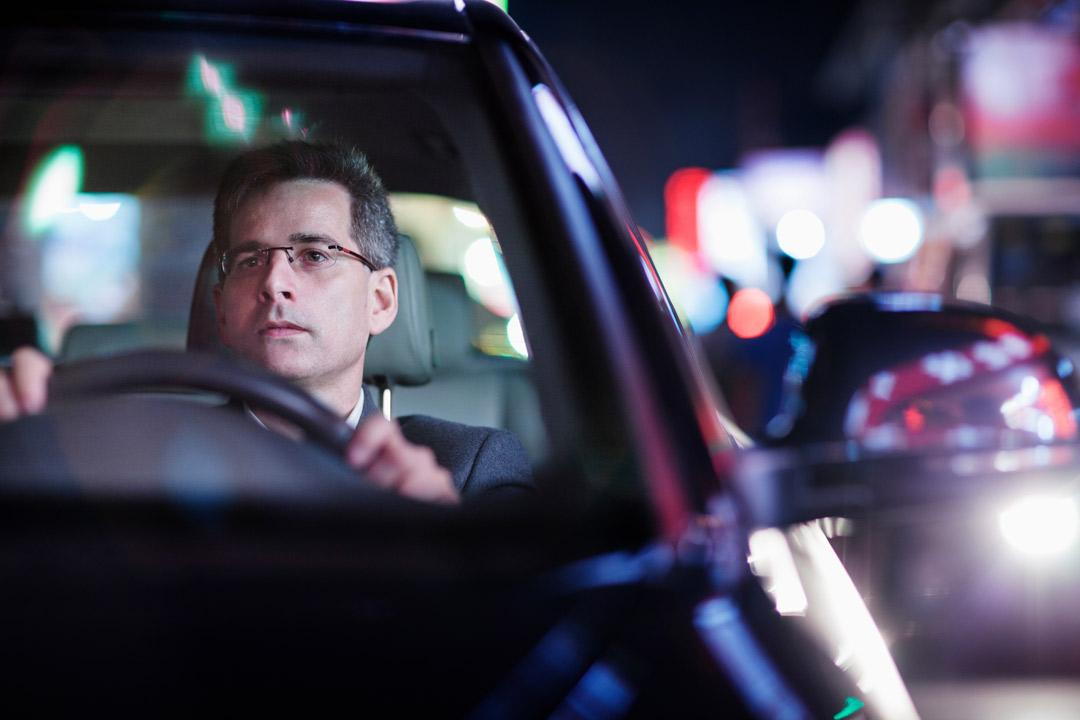
Driving at night can be challenging, especially if your vision isn't as sharp as it used to be. Many people experience difficulties such as glare from headlights, halos around lights, and overall reduced visibility in low-light conditions.
If you find yourself struggling to see clearly on the road after dark, it might be time to evaluate your eye health.
Common Vision Issues That Impact Night Driving
Glare Sensitivity – Bright lights from oncoming traffic or street lamps can create discomfort and make it difficult to see.
Night Blindness (Nyctalopia) – Difficulty adjusting to darkness or transitioning from bright to dim environments.
Cataracts – Clouding of the eye’s lens that scatters light and reduces clarity.
Uncorrected Vision Problems – Nearsightedness, astigmatism, or outdated prescription lenses can make night driving more hazardous.
Dry Eyes – Can cause discomfort, irritation, and blurred vision, especially when driving at night.
How to Improve Your Night Vision for Safer Driving
Schedule an Eye Exam – Regular checkups help detect any vision impairments that may be affecting your driving ability.
Update Your Prescription – Ensure your eyeglasses or contact lenses are current and suitable for night driving.
Use Anti-Reflective Lenses – Glasses with an anti-reflective coating help minimize glare and halos.
Keep Your Windshield and Glasses Clean – Smudges and dirt can increase glare and make visibility worse.
Adjust Your Car’s Lighting – Dim your dashboard lights to reduce contrast and improve your ability to focus on the road.
Take Breaks While Driving – If your eyes feel tired, rest for a few minutes before continuing your journey.
Your safety on the road depends on clear vision. If you're experiencing difficulties while driving at night, contact Lentz Eye Care for a comprehensive eye exam with locations in Wichita and Newton, Kansas. Let us help you see clearly and drive safely, day or night!